Source Sunscreen Silk Screen Bucket Hat for Travel, Sports, and Casual Use
Find and compare 30 sunscreen silk screen bucket hat options from China. These unisex caps feature embroidered striped designs, quick-dry materials, and customizable logos for outdoor travel, sports, and casual wear.
Key considerations
Products List


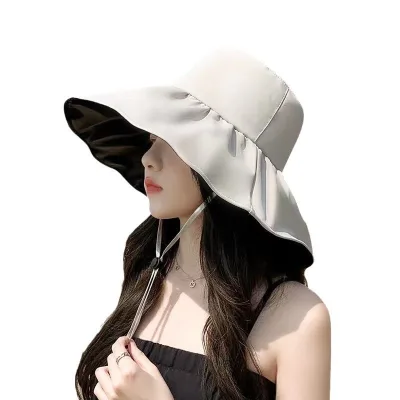


Comprehensive Sourcing Guide
Sunscreen Silk Screen Bucket Hat Sourcing Guide
Sourcing a sunscreen-capable bucket hat with silk screen printing requires a careful balance between functional performance and aesthetic customization. Buyers must navigate a market where material composition, such as acrylic fibers, nylon, or polyester blends, directly impacts the hat’s ability to provide UV protection while maintaining breathability. The presence of silk screen printing adds a layer of complexity to the manufacturing process, as the ink application must adhere properly to the chosen fabric without compromising its water-resistant or quick-dry properties. Understanding these interdependencies is crucial for ensuring that the final product meets both the visual branding requirements and the practical needs of outdoor consumers.
The procurement landscape for these items is characterized by significant variability in production capabilities and minimum order quantities. While some suppliers offer standardized models with fixed specifications, others provide extensive customization options, including logo addition and pattern adjustments. This flexibility allows buyers to tailor products for specific demographics, such as unisex adult markets for spring and autumn travel, or specialized winter use cases. However, this variety also necessitates rigorous verification of supplier capabilities to ensure that the promised customization services, such as embroidered patterns or plain dyed finishes, can be executed consistently across large production runs.
Product Scope and Observed Listing Signals
The current market for bucket hats and sun hats exhibits a wide range of material compositions and design features, reflecting diverse end-use scenarios. Observed listings indicate that materials commonly include acrylic fibers, nylon, dacron, and polyester/cotton blends, each offering distinct advantages in terms of durability, weight, and thermal regulation. For instance, nylon and polyester options often emphasize quick-dry and lightweight characteristics suitable for summer travel, while acrylic or heavier blends may be preferred for winter applications requiring ear warming and windproofing. These material choices are not merely aesthetic but are fundamental to the hat’s performance in specific weather conditions, influencing buyer decisions based on the target season and activity type.
Design attributes further define the product scope, with many listings highlighting features such as sun protection, wrinkle-free construction, and washability. The inclusion of a brim and crown is standard, but the style varies from striped and embroidered patterns to plain dyed or dobby weaves. Customization services are prominently advertised, allowing buyers to add logos or adjust patterns via silk screen printing or other methods. However, buyers should note that while some models offer fixed sizes like 56-60cm, others provide fully customized sizing and styles. This distinction is critical for procurement planning, as it affects inventory management and the ability to fulfill orders for specific regional sizing preferences or brand identity requirements.
Technical Specifications to Verify
Verifying the technical specifications of a sunscreen bucket hat is essential to ensure that the product delivers on its performance claims. Buyers must confirm the exact material composition, as terms like "polyester" or "nylon" can refer to various fabric weights and weaves that significantly impact UV resistance and breathability. For hats marketed with sun protection, it is vital to verify whether the fabric has been treated with UV-resistant coatings or if the density of the weave itself provides adequate shielding. Additionally, the presence of features such as antimicrobial properties, reversibility, or foldability should be validated through sample testing, as these attributes directly influence user comfort and product longevity in outdoor environments.
The printing and customization processes require equally rigorous scrutiny, particularly when silk screen printing is specified. Buyers should verify the durability of the printed logos or patterns against washing and exposure to sunlight, as poor adhesion can lead to cracking or fading. It is also important to confirm the compatibility of the printing method with the chosen material; for example, silk screen printing on acrylic fibers may yield different results compared to its application on nylon or polyester blends. Furthermore, specifications such as packing dimensions, model numbers, and standard sizes must be clearly defined to avoid discrepancies between the ordered product and the delivered goods, ensuring that logistics and storage planning remain accurate.
Compliance and Safety Documentation
Compliance and safety documentation are non-negotiable elements in the procurement of headwear, especially when products are marketed for sun protection or outdoor sports. Buyers must ensure that suppliers can provide relevant test reports verifying the fabric’s UV protection factor, if such claims are made. While specific standards may vary by region, it is crucial to request documentation that demonstrates adherence to international safety guidelines for textile products, including limits on harmful substances and flammability standards. Without these documents, buyers risk importing products that may not meet regulatory requirements in their target markets, leading to potential customs delays or product recalls.
In addition to material safety, buyers should verify that the printing inks and dyes used in the customization process comply with environmental and health regulations. Silk screen printing, in particular, may involve chemicals that require certification to ensure they are free from hazardous substances. Buyers should ask suppliers to provide material safety data sheets (MSDS) for the inks and confirm that the production process adheres to recognized environmental management standards. This due diligence not only mitigates legal risks but also enhances brand reputation by ensuring that the products are safe for consumers and environmentally responsible.
Cost Drivers and Commercial Terms
The cost of sourcing sunscreen bucket hats is influenced by several key factors, including material selection, customization complexity, and order volume. Materials such as nylon or specialized polyester blends may command higher prices due to their performance characteristics, while basic acrylic or cotton blends may be more cost-effective. Customization services, such as adding logos via silk screen printing or embroidery, add to the unit cost, as do any special features like reversible designs or antimicrobial treatments. Buyers should also consider the impact of minimum order quantities (MOQs), which can range significantly, on the overall pricing structure, as larger orders often benefit from economies of scale.
Commercial terms, including production time and payment conditions, play a crucial role in the total cost of ownership. Typical production times for customized bucket hats range from 7 to 15 days, but this can extend depending on the complexity of the design and the supplier’s current workload. Buyers should negotiate clear lead times and penalties for delays to protect their supply chain integrity. Additionally, understanding the packing specifications, such as the number of pieces per carton or polybag, is essential for calculating shipping costs and warehouse storage requirements. Transparent communication regarding these terms helps avoid hidden costs and ensures that the procurement process remains efficient and predictable.
Supplier Qualification and Quality Control
Qualifying suppliers for bucket hat production requires a thorough assessment of their manufacturing capabilities and quality control systems. Buyers should verify that the supplier has experience in producing hats with the specific materials and customization features required, such as silk screen printing on nylon or acrylic. Requesting samples is a critical step in this process, allowing buyers to evaluate the quality of the stitching, the durability of the print, and the overall fit and finish. It is also important to assess the supplier’s ability to handle large orders consistently, as variability in quality can arise when production volumes increase.
Quality control measures should be integrated into the procurement process from the outset. Buyers should establish clear acceptance criteria for defects, such as misaligned prints, loose threads, or material inconsistencies, and communicate these standards to the supplier. Implementing pre-shipment inspections can help identify and rectify issues before the goods are dispatched, reducing the risk of receiving substandard products. Additionally, buyers should inquire about the supplier’s internal quality control protocols, including how they monitor production stages and handle non-conforming items. A robust quality control framework ensures that the final products meet the buyer’s expectations and maintain brand integrity.
Long-Term Procurement Checks
Long-term procurement success depends on establishing a sustainable relationship with suppliers who can consistently deliver high-quality products. Buyers should conduct regular performance reviews to assess supplier reliability, including their ability to meet deadlines, maintain quality standards, and respond to issues promptly. Building a diversified supplier base can mitigate risks associated with single-source dependencies, ensuring that production can continue even if one supplier faces disruptions. Additionally, staying informed about industry trends and technological advancements in hat manufacturing can help buyers identify opportunities for innovation and cost savings.
Continuous improvement in the procurement process involves refining specifications and negotiating better terms based on historical performance data. Buyers should leverage insights from past orders to optimize material choices, customization options, and logistics planning. Engaging in open dialogue with suppliers about feedback and suggestions can foster collaboration and lead to product enhancements that better meet market demands. By maintaining a proactive approach to supplier management and quality assurance, buyers can ensure that their sunscreen bucket hat procurement remains efficient, cost-effective, and aligned with long-term business goals.
FAQs
What customization options are available for the bucket hat?
Customization is available including adding a logo and selecting specific patterns. The product supports silk screen printing and allows for customized styles and sizes to meet specific buyer requirements for outdoor travel gear.
How long does production take for these sun hats?
Production time typically ranges from 7 to 15 days for completed orders. This timeline applies to standard manufacturing processes for the acrylic, nylon, or polyester materials used in these unisex adult hats.
What is the minimum order quantity for this product?
The minimum order quantity is 100 pieces per color for most items. Some listings indicate a range from 2 to 3000 pieces, but the standard requirement for bulk customization is 100 pieces per color.
Which materials are used to make these bucket hats?
Materials include acrylic fibers, nylon, Dacron, polyester, and cotton blends. Specific models like PZM-1391 use acrylic, while others utilize 100% polyester or polyester cotton mixes for durability and sun protection.
Can these hats be customized for size and style?
Yes, size and style can be customized to specific buyer needs. Standard sizes range from 56 to 60 cm, but the product line offers customized dimensions and styles such as striped or plain dyed patterns.
What special features do these hats offer for outdoor use?
These hats feature sun protection, quick drying, and are washable. Additional attributes include being windproof, lightweight, foldable, and breathable, making them suitable for travel, sports, and casual outdoor activities.
Where are these bucket hats manufactured and shipped from?
The products originate from China, with specific manufacturing locations in Shanghai. The standard packing involves 25 pieces per OPP bag or carton, depending on the specific model and order volume requirements.